In the 21st century, the Costa del Azahar remains one of the most unspoiled stretches of the entire Mediterranean. In fact, there’s a section declared a Marine Reserve since 2002 – quite something.
So, if you’re planning your vacation and thinking of coming to the province of Castellón, you have to visit some of its coves —the wildest and most hidden side of the coast—. We’ll tell you which ones they are and the key details: by car or on foot, sand or gravel, with or without waves. Everything!
But first, what to choose? Cove or beach?
Good question. Castellón’s coastline spans over 120 kilometers, from Almenara in the south to the mouth of the Sénia river in the north, where the province borders Tarragona.
In the southern area, the coast is wide, comfortable, and better equipped in terms of sandy areas. These are long, fine sandy beaches with all services: lifeguards, showers, toilets, sunbeds, umbrellas, bars, adapted access, and even a bike path.
Beaches like Heliópolis or Els Terrers in Benicasim have been awarded the Blue Flag, while Voramar or Almadraba offer pedestrian promenades and sailing schools right on the sand. There are countless options, and they are perfect if you want everything close at hand.
But halfway along the coast, things change. Before reaching the north, the coast already hints at what’s to come with quieter beaches like Playa Romana, Cargador or Fuentes in Alcossebre. Further north, Playa del Pebret stands out, where the landscape is the main attraction.
So, when to choose a cove and not a beach? When you’re looking for silence, tranquility, little-explored spaces, indescribable turquoise or emerald blue waters, and also when you want to practice water sports like snorkeling or diving and discover untouched seabeds.
Well, let’s not discredit the journey either. Because parking and stepping onto the sand is fine, but experiencing a hike to reach the cove is another level.
Coves of Castellón: all you need to know
Most of the coves worth visiting in Castellón are concentrated along a 15-kilometer stretch of coastline, between Benicasim and the Sierra de Irta Natural Park, one of the best-preserved natural areas on the Spanish Mediterranean coast. We’ll start telling you about them from south to north.
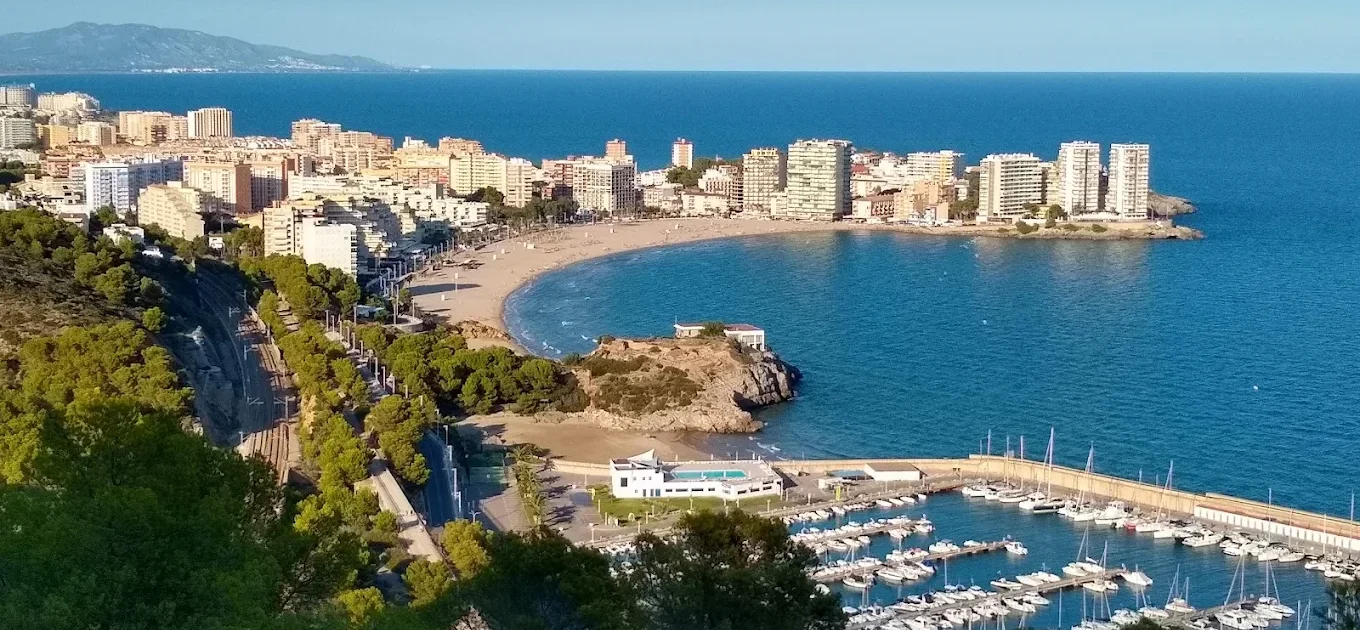
#1 Cala de Oropesa la Vella in Oropesa del Mar
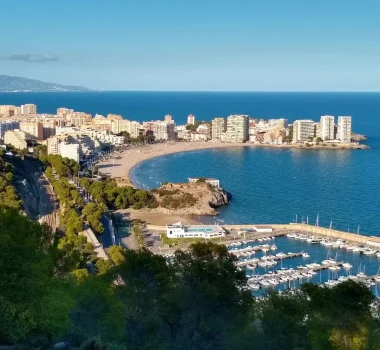
The most urban, the most accessible, and the easiest to recommend to those who don’t want adventure but do want a cove. It is 120 meters long and forms just south of Playa de la Concha, at the point where red rocks extend from the coast into the sea, creating a natural inlet. It has fine sand and calm waters, and features walkways and a lifeguard station. You can’t ask for more.
Additionally, from here you can access the Vía Verde del Mar, the old railway line that connects Oropesa with Benicasim along the coast. A route for walking or cycling that you can add to your list of things to do in Benicasim.
#2 Cala Blanca in Alcossebre
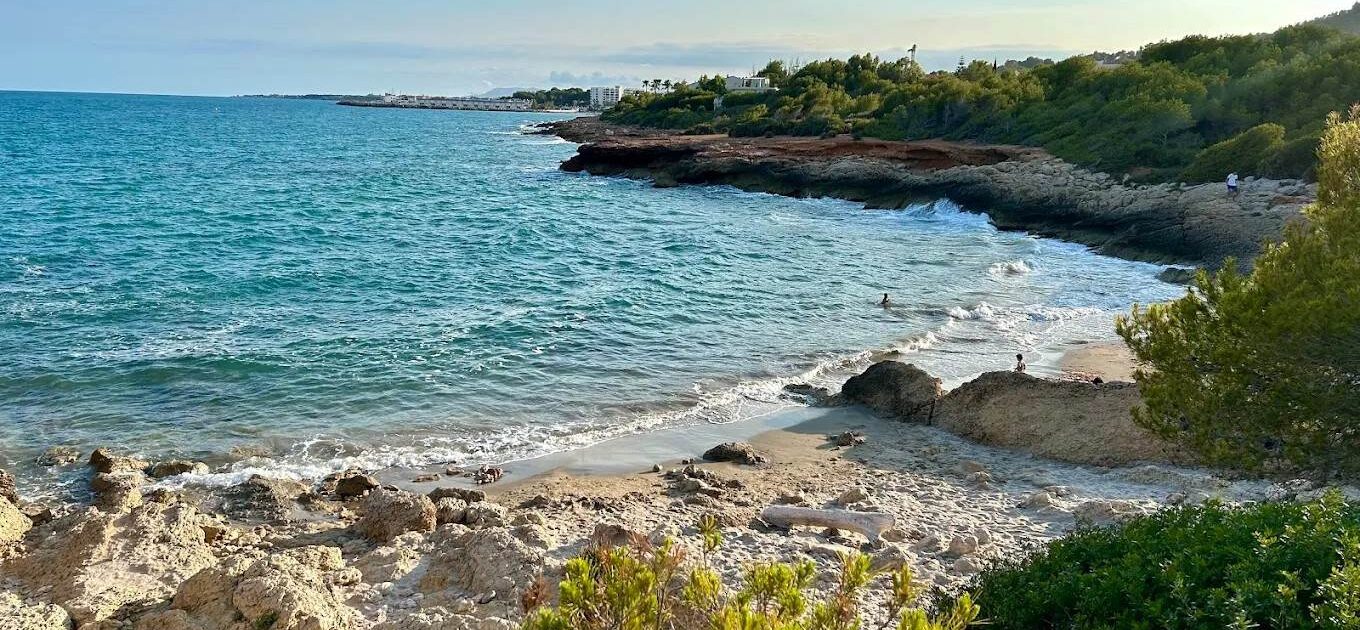
Cala Blanca is divided into two areas, approximately 60 and 20 meters long respectively, with gravel and white sand, nestled within the environmental protection area of the Sierra de Irta.
Access is via an unpaved road from the urbanization, which you can reach on foot from Playa de las Fuentes or by the l’Atall path. There is no designated parking nearby, so it might be best to come on foot. What you’ll find upon arrival makes it worthwhile: crystal-clear waters, few people, and a rocky seabed perfect for taking some souvenir photos.
#3 Cala Mundina in Alcossebre
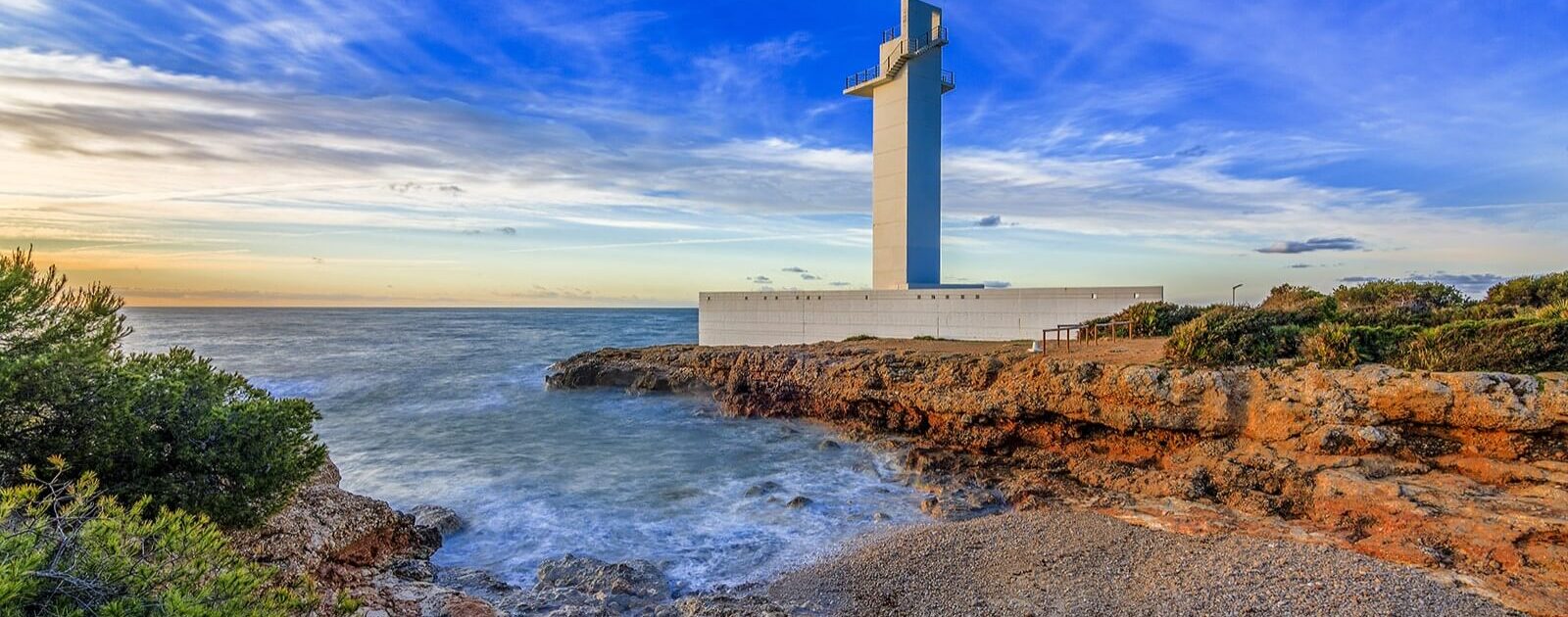
The cove where one of the Mediterranean’s best snorkeling paradises begins. Cala Mundina is a small, U-shaped natural pebble cove, formed at the mouth of the Melentivet ravine. It lies at the foot of a cliff, with the Cabo de Irta Lighthouse as a visual reference, and earns the title of “best cove in Castellón for divers” due to its excellent visibility. For parking, the most convenient option is to leave your car near the Cabo de Irta Lighthouse.
#4 Cala Cubanita in the heart of Sierra de Irta
This sandy area is halfway along the coastal route of the Sierra de Irta, and it’s one of those coves in Castellón that surprise by combining rocky areas with sandy ones. Its waters are crystal clear and its surroundings are well preserved, with a viewpoint and benches at the top.
A plus point? It’s a less frequented destination for tourists because car access is complex —being within the natural park, during high season you need to book a spot in advance—.
#5 Cala Argilaga in Peñíscola
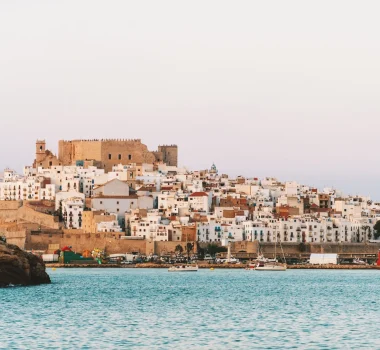
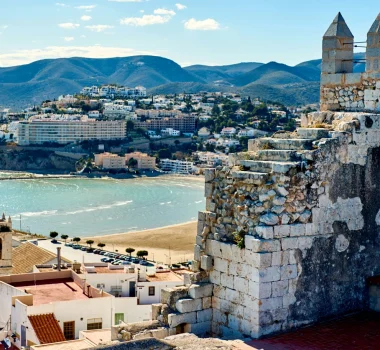
Cala Argilaga is located in the municipality of Peñíscola and has official status as a Flora Micro-reserve. It is only accessible on foot, via a path through pine trees, and has no services of any kind. Its crystal-clear waters and more liberal atmosphere make it a favorite among those familiar with the northern coast of Castellón.
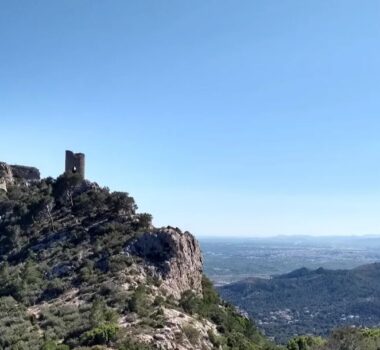
There is a moderately difficult hiking trail, about three hours long, that ascends from Alcossebre to the Sierra de Irta, reaches Pico Campanilles —topping its 573 m height— and descends through the Parra ravine to the cove. Are you up for it?

#6 Cala Puerto Negro in Peñíscola
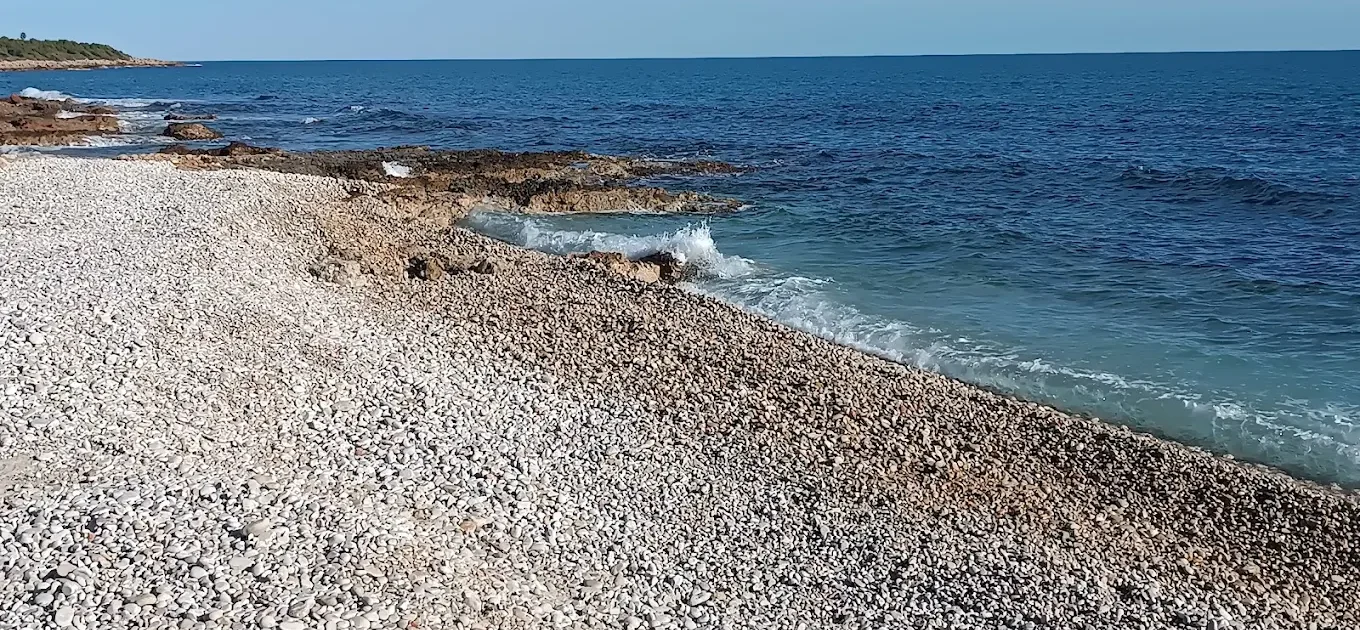
At 230 meters long, Puerto Negro is the most extensive cove in this entire stretch of coastline that we’ve discussed. In this case, it features pebbles, steeply dropping seabeds —be careful with this— and very clean waters. It’s not very crowded, even in the middle of August, but on the downside, access is via an unpaved road and there are no bins. Everything you bring must come back with you.
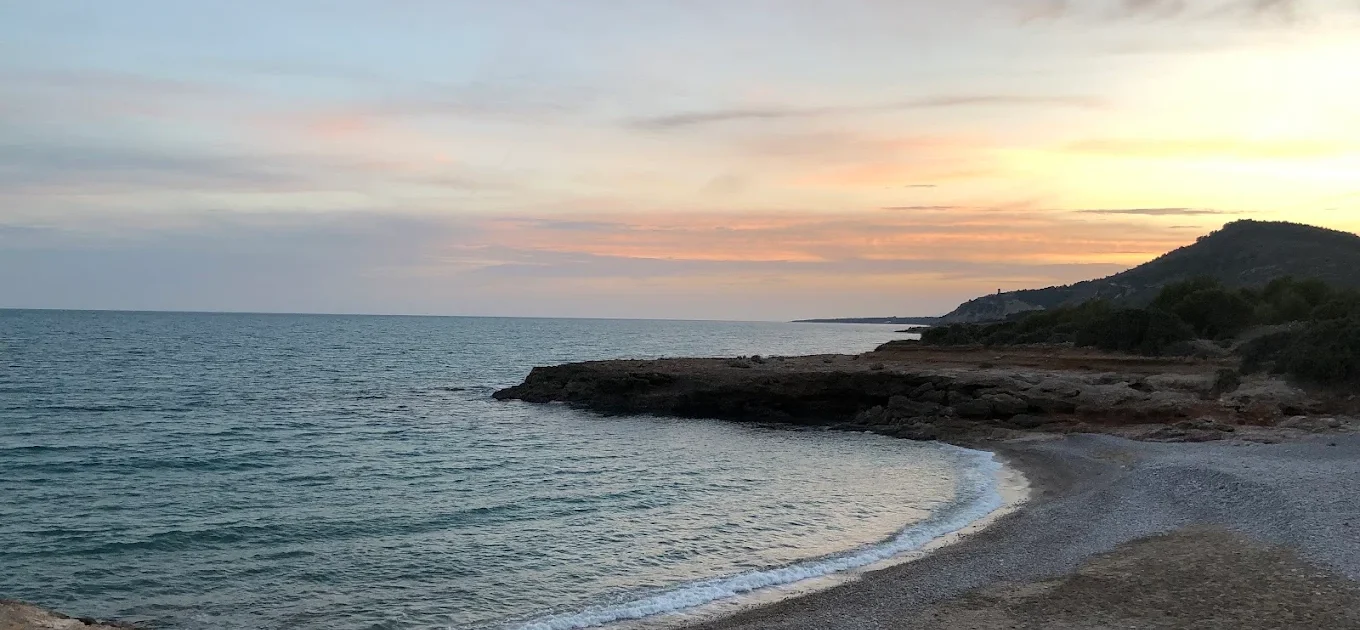
So, how many coves in Castellón will you visit from the list?
Six coves. Six reasons to come and discover the Costa del Azahar as a couple, with family, with friends, or alone. However, with or without company, you must make one of the Orange Costa accommodations your starting point.
Because after spending all day on the towel, diving, or hiking trails, you’ll be able to walk through the door of our apartments —we have them in Benicasim, Alcossebre, and Peñíscola, very close to the best coves in Castellón— and feel right at home.
Come on, book your base of operations now and set out to explore the Castellón coastline.