
To talk about natural parks in Castellón is to talk about a surprising province with no less than eight different natural spaces.
Here you can go from the sea to the mountains in just a few kilometers, walk through wetlands full of birds, get lost in mountain ranges covered with forests, or even sail to a volcanic archipelago in the middle of the Mediterranean. And all without moving too far, which is a great point in its favor.
Most have marked trails, interpretation centers, and very easy-to-follow routes, so you don’t have to be an expert in mountaineering to enjoy them.
And to make it even better, thanks to the Mediterranean climate, these natural spaces can be visited practically throughout the year. Now, let’s get to know them one by one.
#1 Serra d’Irta Natural Park
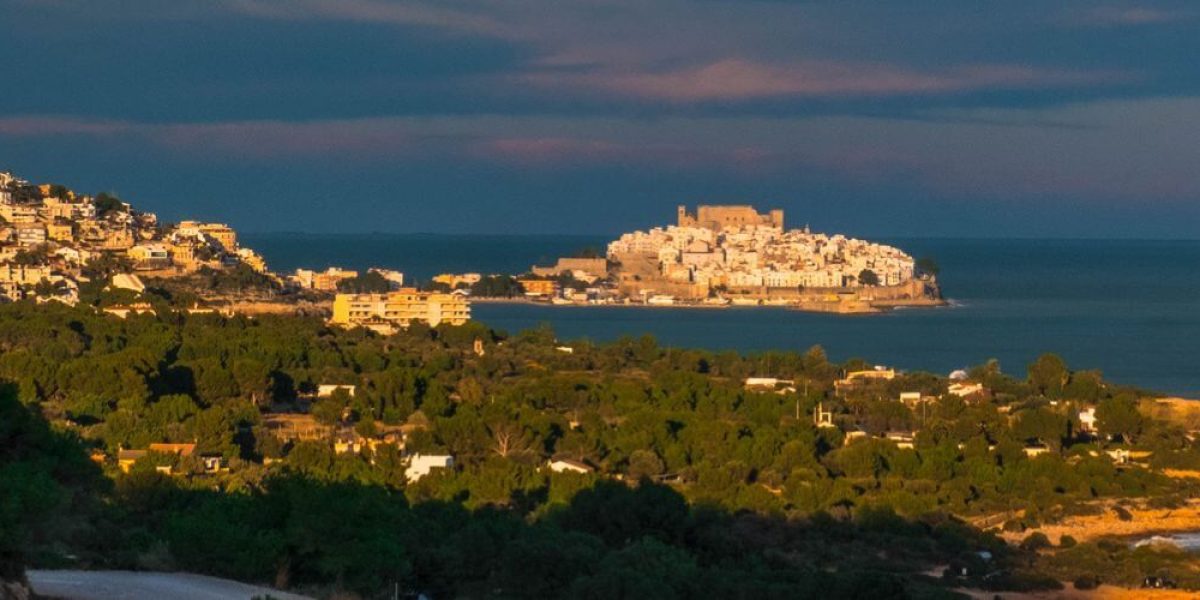
The Serra d’Irta Natural Park is one of those places that hardly exist anymore on the Mediterranean coast. It is a protected, undeveloped coastal mountain range located between Peñíscola, Alcalà de Xivert, and Alcossebre. Along its kilometers of coastline, cliffs of white rock, coves, and beaches such as El Pebret alternate with small stretches of path with constant views of the sea.
Its vegetation is typical of the dry Mediterranean climate: pine forests, rosemary, palmetto, and plants adapted to salinity such as sea fennel.
In addition, the park preserves an interesting historical heritage such as the Castle of Santa Magdalena de Pulpis, the Castle of Alcalá de Xivert, and coastal watch posts such as the Torre Badum.
It is an ideal park for hiking, biking, and also for visiting with the idea of enjoying its most hidden and lesser-known coves such as Cala Argilaga.
#2 Desierto de las Palmas Natural Park
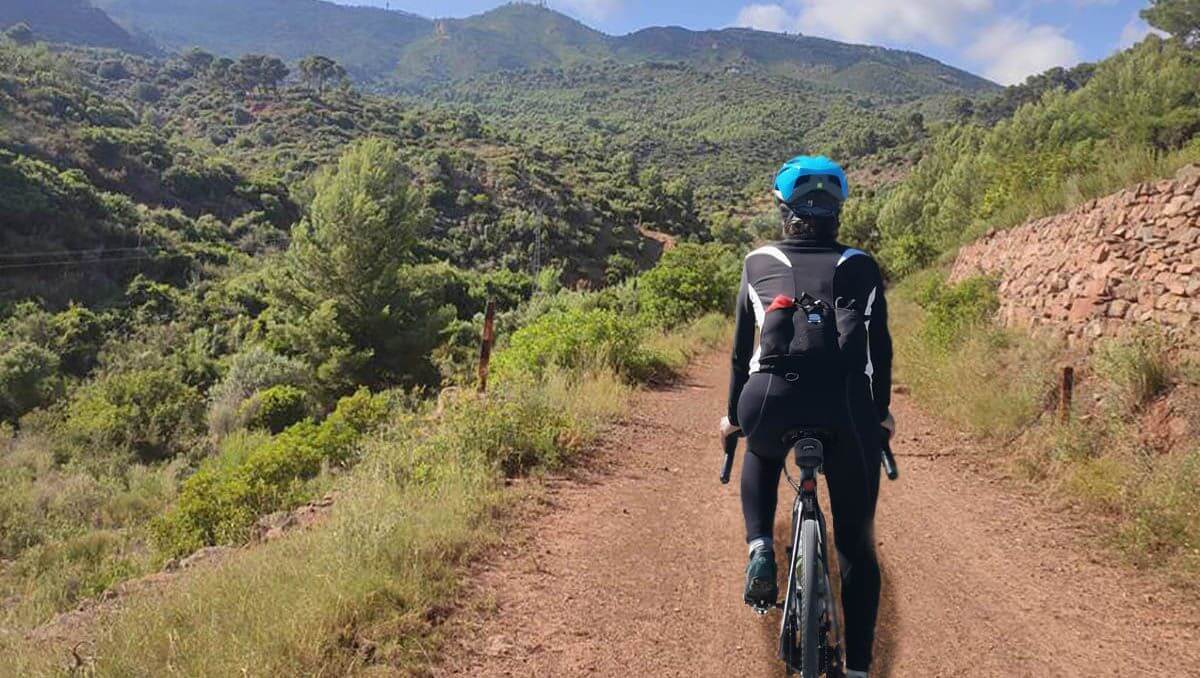
Very close to the coast and the city of Castellón is the Desierto de las Palmas, a park that, despite its name, is not arid at all. The term “desierto” (desert) refers to the isolation sought by the Carmelites years ago, and “Las Palmas” to the abundant palmetto that grows in the area. You didn’t expect that, did you?
Its proximity to the sea generates fogs and microclimates that favor very particular vegetation, and although the park is still in the process of regeneration after the great fire it suffered in 1992, it is well worth visiting.
It is a perfect place to do some of the best hiking routes in Castellón.
#3 Penyagolosa Natural Park
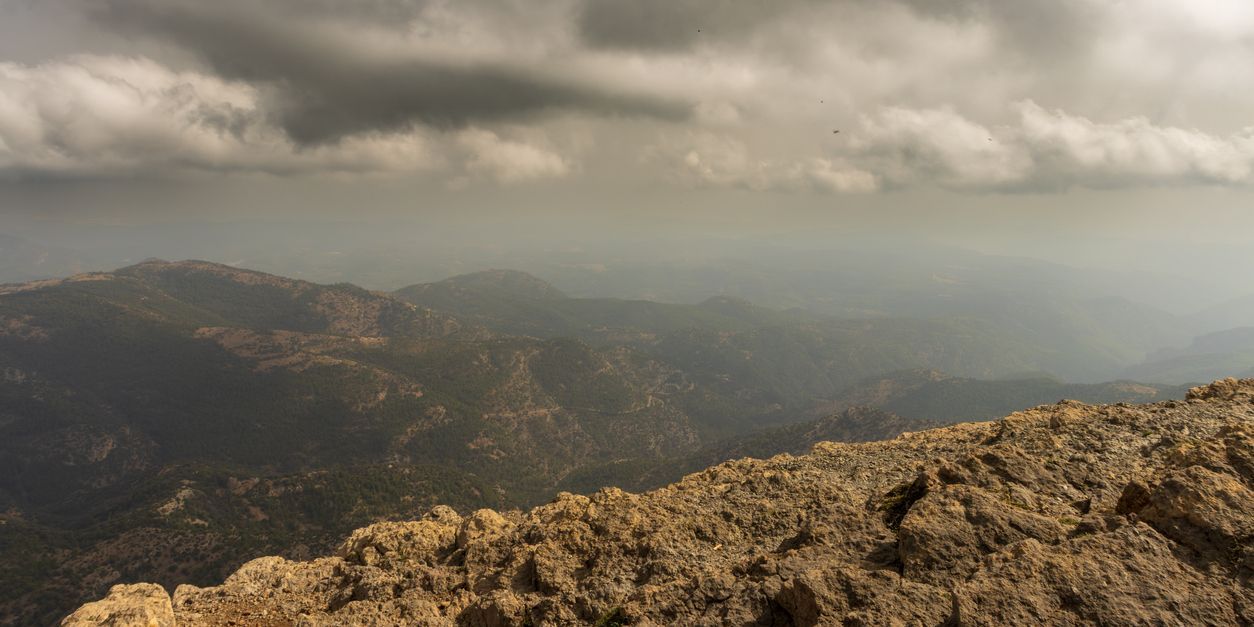
Penyagolosa is the great icon of the interior of Castellón. With its 1,814 meters of altitude, it is one of the highest peaks in the Valencian Community.
Here, pine, holm oak, oak, and maple forests dominate, and it is common to find mountain goats, wild cats, and numerous birds of prey flying over the massif.
At the foot of the mountain is the Sanctuary of San Juan Bautista de Penyagolosa, a place that for centuries has been a meeting point for pilgrims and hikers.
#4 Islas Columbretes Natural Park
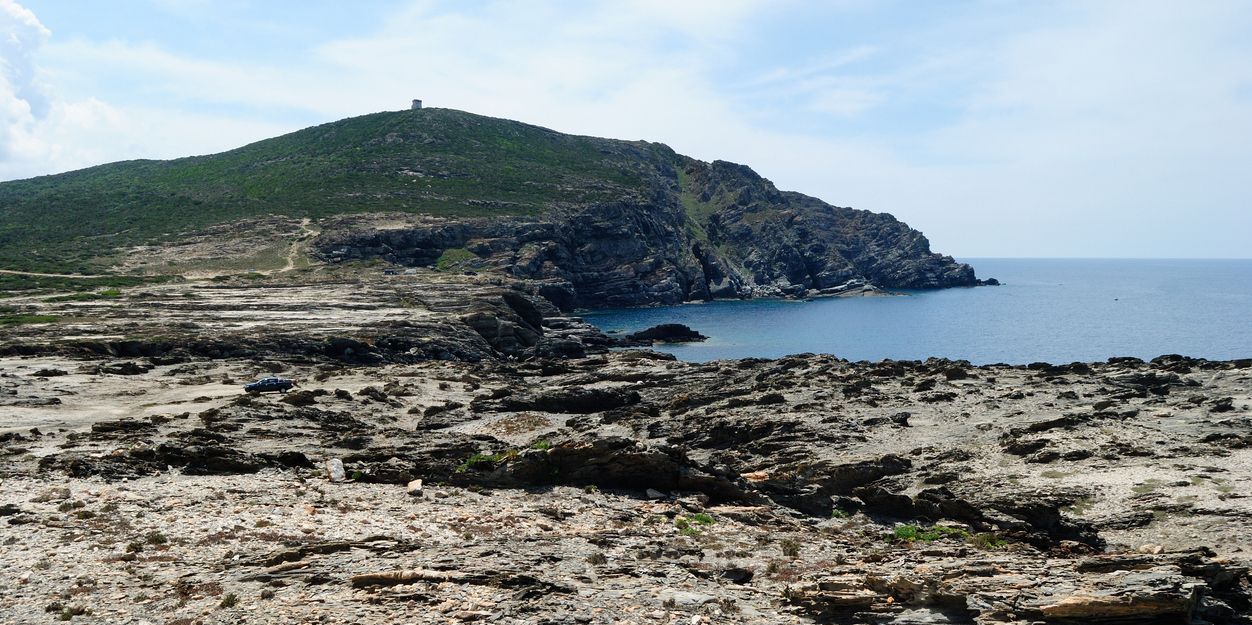
Offshore is one of the most special natural parks in the province of Castellón in the Mediterranean: the Islas Columbretes. It is a small archipelago of volcanic origin with enormous ecological value, both terrestrial and marine.
Unique species of flora and fauna are protected here; also underwater, so one of the coolest activities you can do is diving.
Between Illa Grossa, La Ferrera, La Foradada, and El Carallot, the archipelago has an approximate area of 19 hectares. Small area, but with many surprises!
Visits are highly regulated to protect the environment, but if you organize yourself with time, you can sign up for a boat trip.
#5 Tinença de Benifassà Natural Park
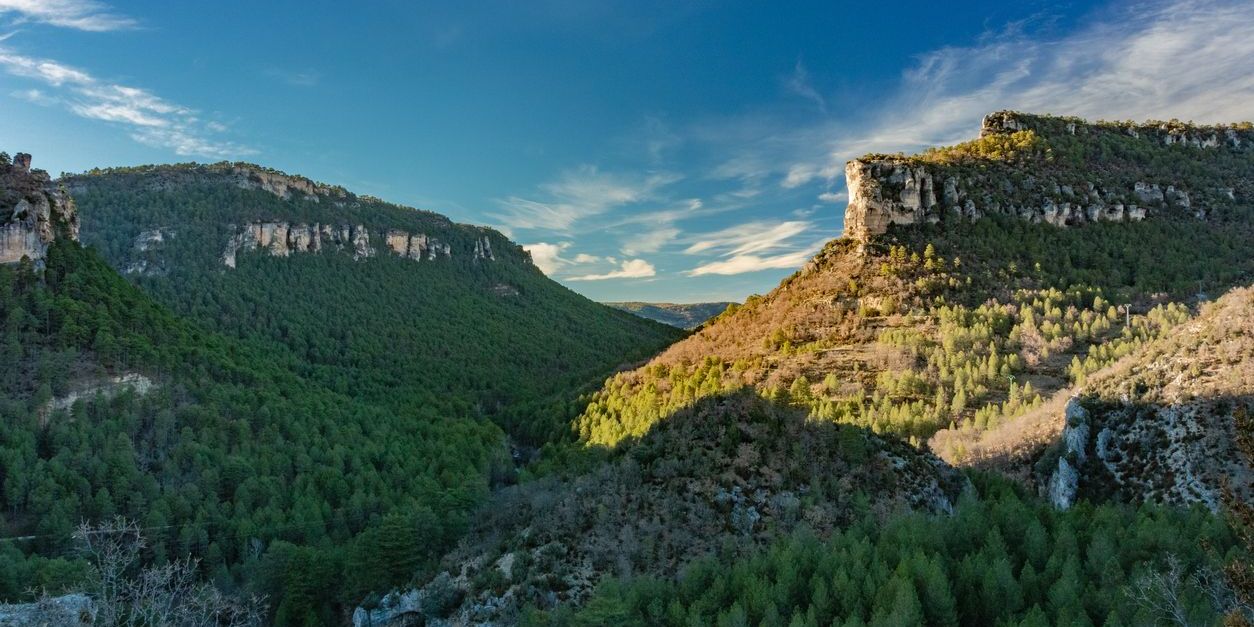
In the extreme north of the province is one of the wildest spaces in Castellón: the Tinença de Benifassà.
Here the landscape changes completely —compared to what we have been telling you— and gives way to well-preserved forests, full of ravines, holm oak groves, and gall oak groves. Many species such as mountain goats, roe deer, vultures, and golden eagles find refuge here.
In addition, this park hides cave paintings declared a World Heritage Site and the Royal Convent of Santa María de Benifassà, one of the oldest historical complexes in the Valencian Community.
#6 Prat de Cabanes-Torreblanca Natural Park
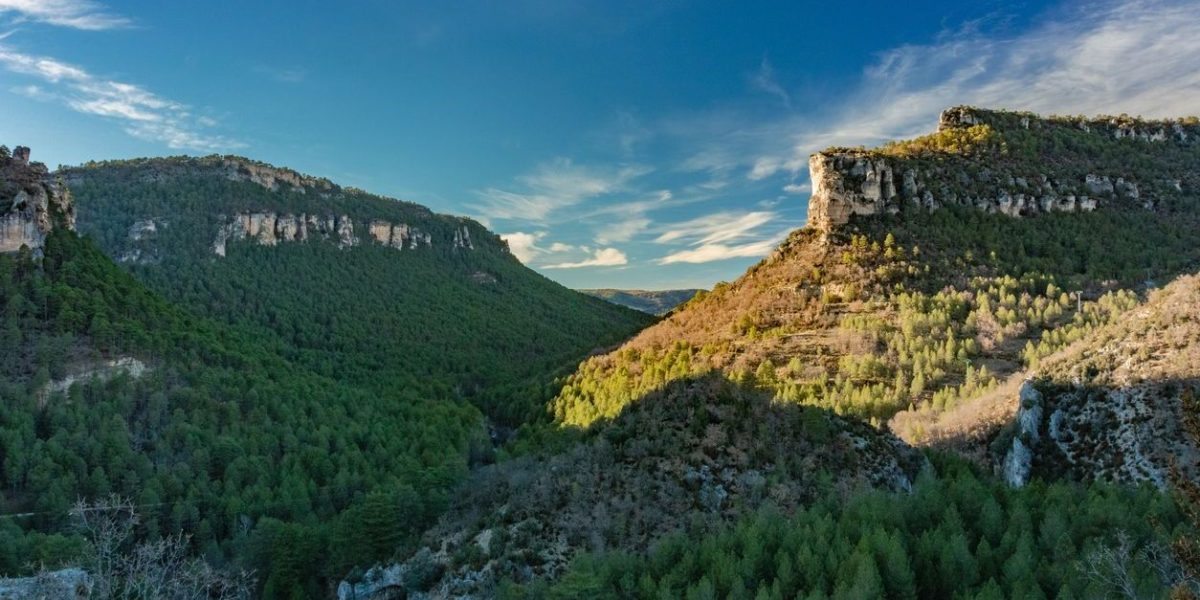
The Prat de Cabanes-Torreblanca is a coastal strip of marshes and wetlands of great ecological value. Here, the protagonist is biodiversity!
It is home to protected species such as the fartet —a rather curious fish— and the samarugo —the tadpole of the frog—, as well as a great variety of aquatic birds. It also houses very rare plants and endemisms exclusive to the Valencian Community. An ideal place to observe fauna and flora and take some scandalous photos.
#7 Sierra de Espadán Natural Park
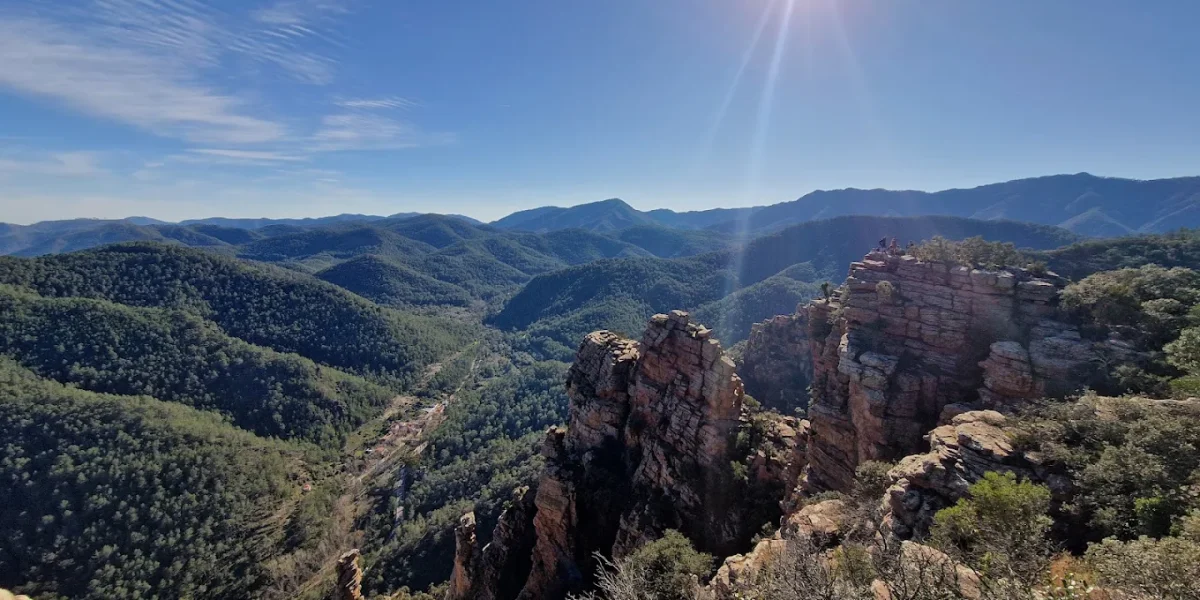
The Sierra de Espadán stands out for housing the largest mass of cork oaks in the Valencian Community. Its relief is abrupt with ravines, fountains, and towns that conserve a very well-preserved medieval structure.
It is an ideal park for doing low-medium difficulty mountain routes and, incidentally, visiting charming towns such as L’Alcúdia de Veo.
#8 Sierra Calderona Natural Park
This natural park in Castellón has a trick, and that is that it is shared with the province of Valencia. Even if it is a little further away, you have to pay it a visit.
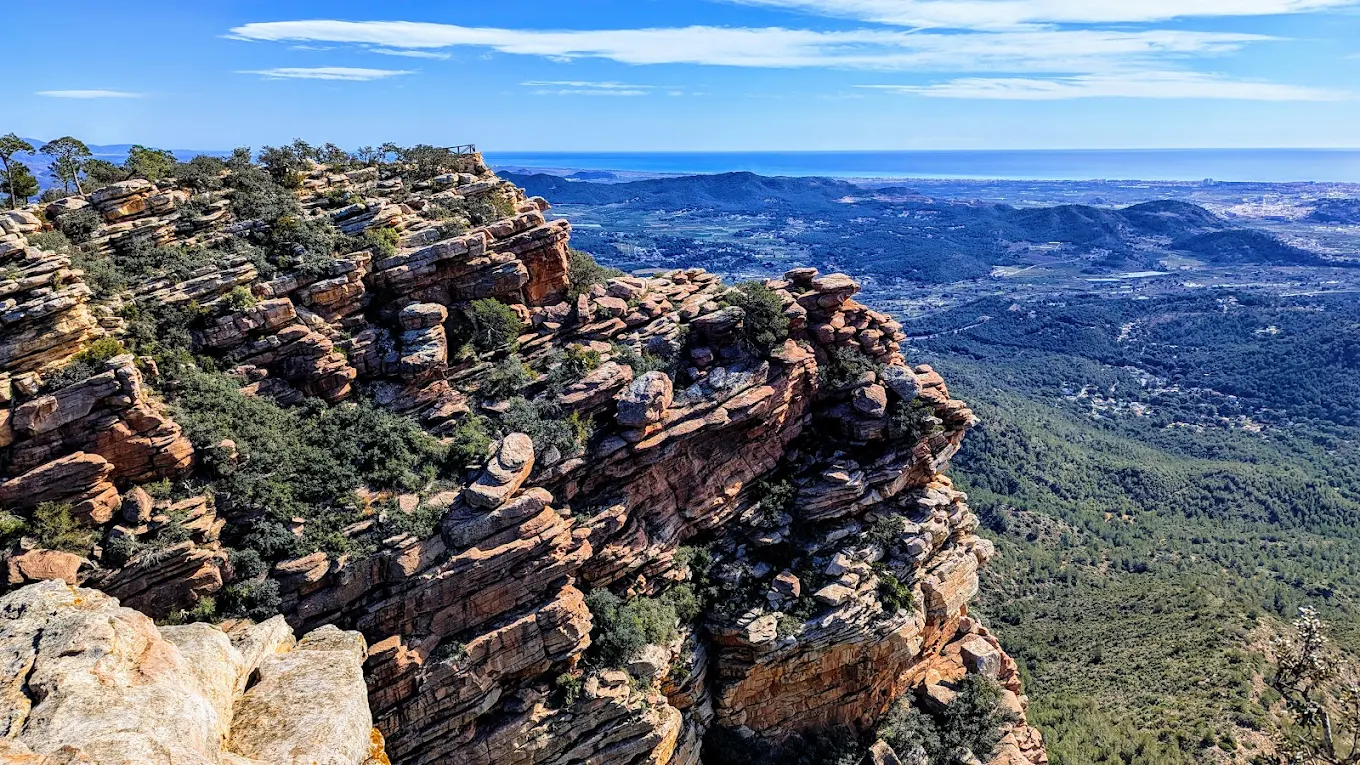
The Sierra Calderona has pine forests, holm oaks, and a very diverse fauna, but its strong point is the views. From the Mirador del Garbí you will enjoy spectacular panoramic views.
It also stands out for its historical heritage, with Carthusian monasteries, monasteries, and Iberian sites scattered throughout the park.
Are you coming to see all the natural parks of Castellón?
With the descriptions of these eight natural parks of Castellón, you can already get an idea that it is one of the most mountainous and diverse provinces in Spain. And the best of all is that they all allow locals and travelers alike to enjoy nature for almost the entire year.
Now you just have to book accommodation nearby with Orange Costa and set out to discover all the natural parks of Castellón. What are you waiting for?


